Recente Posts
- Ademhaling als helende kracht
- Four Ways into the Yi Jing: the Mystic (4)
- Dan Tien: je energiecentrum
- Shou Gong: openen & afsluiten
- Wuji: Niet zomaar staan
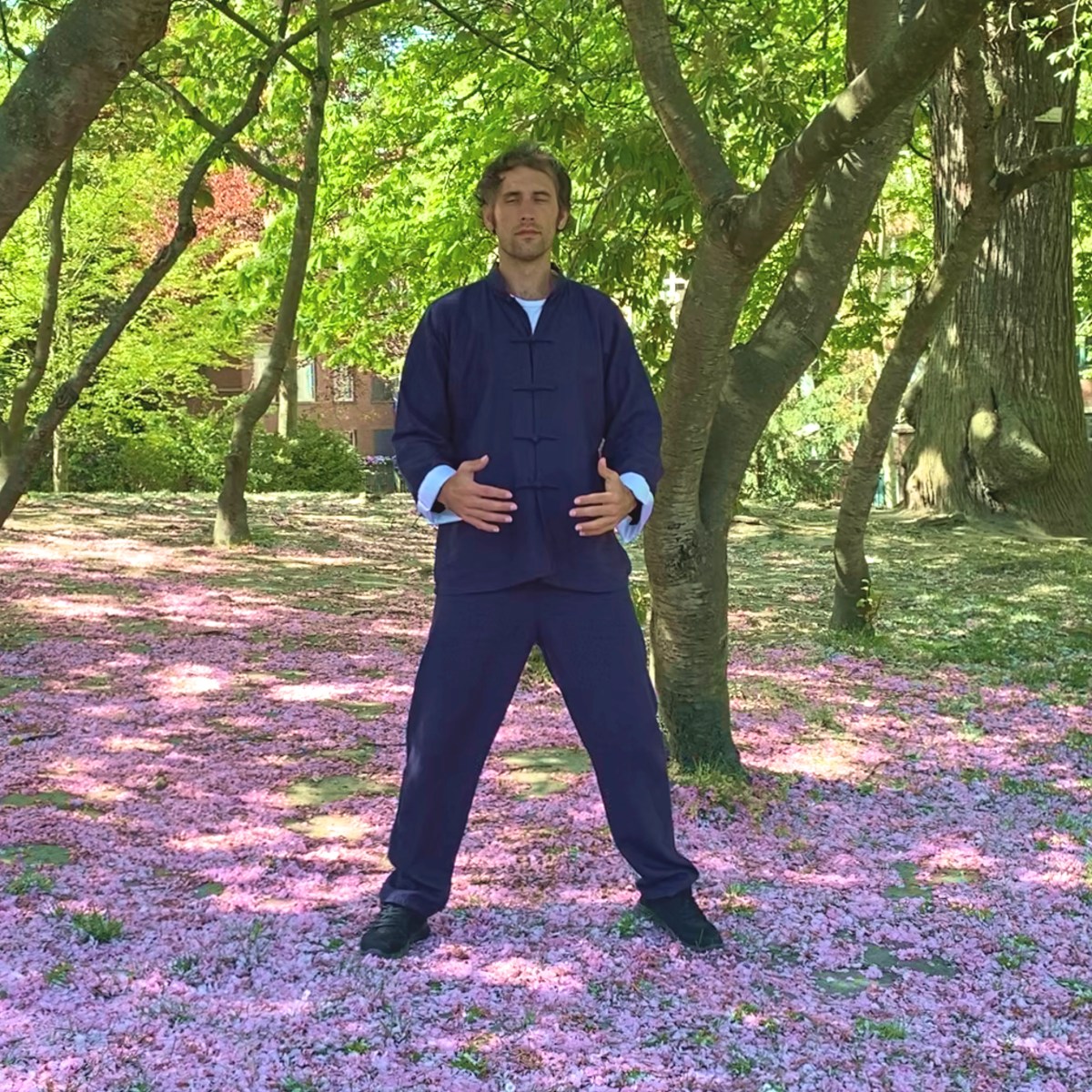
Ademhaling als helende kracht
Ademen: het meest gewone en tegelijk het meest verbluffende ding dat we doen. Het belang van ademhaling belicht vanuit wetenschap, Qi Gong en de Yi Jing.
Read more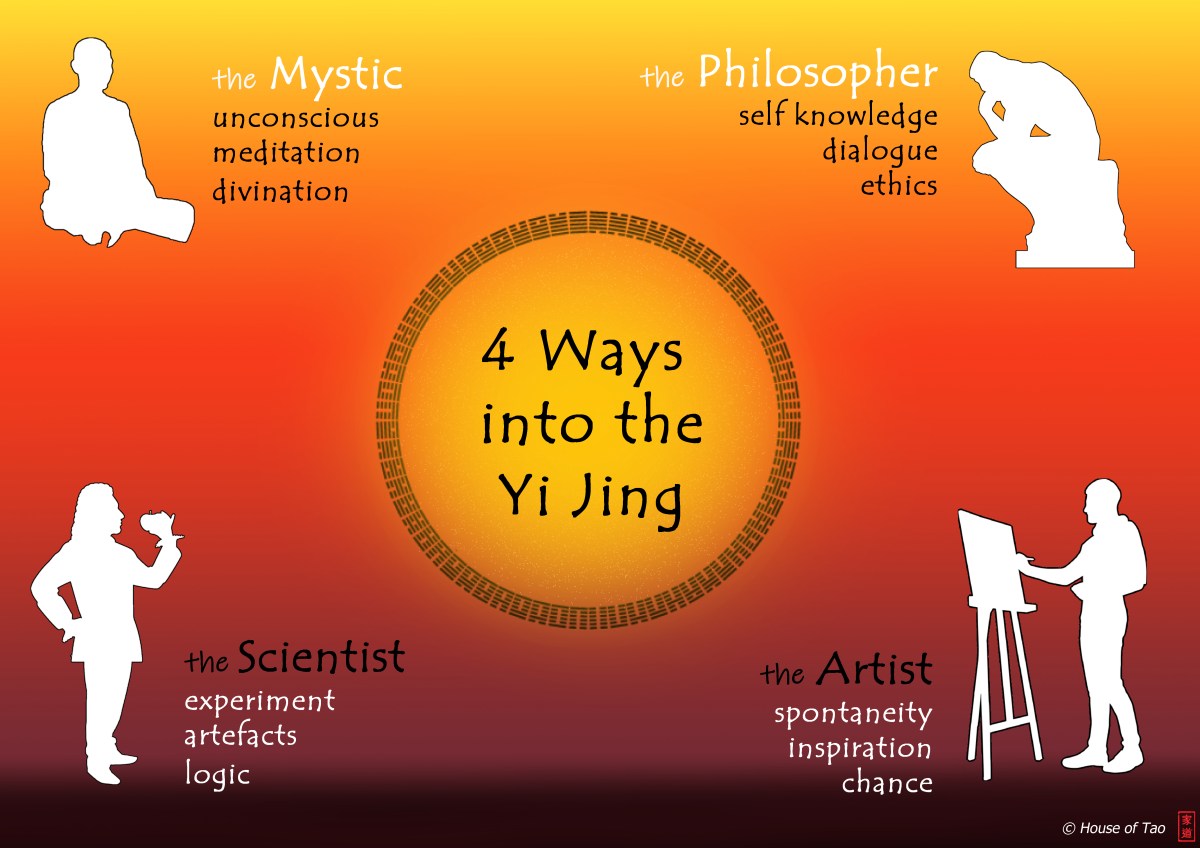
Four Ways into the Yi Jing: the Mystic (4)
After the role of the philosopher, the artist and the scientist, it is time to approach the last role of our magic quartet but which is probably also the most elusive of the four: the mystic. Where the philosopher seeks to develop his own living philosophy through a dialogue with the Yi Jing and uses his “digestive thinking” ability, the artist courageously leaps into the unknown (the void) to ignite spontaneous creativity and the scientist is challenged to question the mechanical paradigm that drives our world (view) and to reconnect with our ancestors by recording his experiments and re-living the…
Read more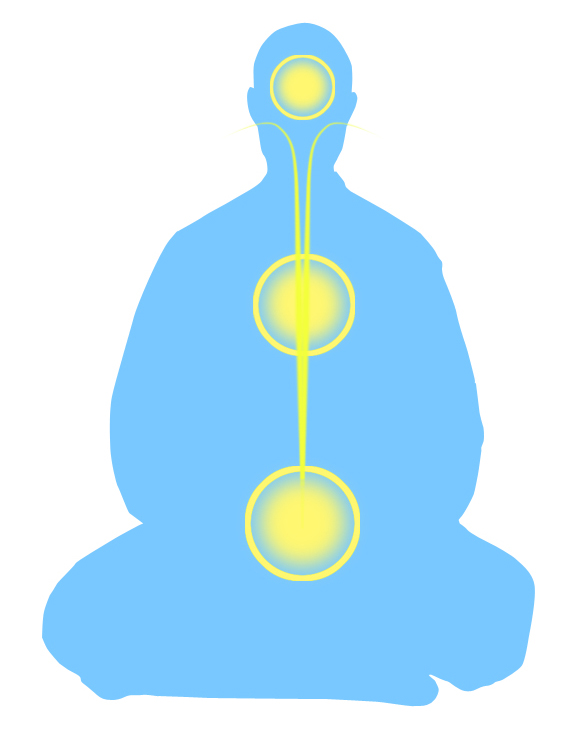
Dan Tien: je energiecentrum
We spreken over ons “buikgevoel” wanneer we op een gevoel stuiten dat spontaan oprijst en niet aan ons gewone denken gerelateerd is. Uit wetenschappelijk onderzoek blijkt zelfs dat in de buik er zoveel neuronen aanwezig zijn, dat men over een “tweede brein” spreekt. Hoe kunnen we dit tweede brein beter benutten en begrijpen? Daarvoor moet men kijken naar de oeroude meditatievormen van het verre Oosten waar men drie grote energievelden onderscheidt: de onderbuik (onder de navel), de borst (het hart) en het hoofd. In deze post ligt de focus op het laagste energieveld: de lage Dan Tien dat geassocieerd is…
Read more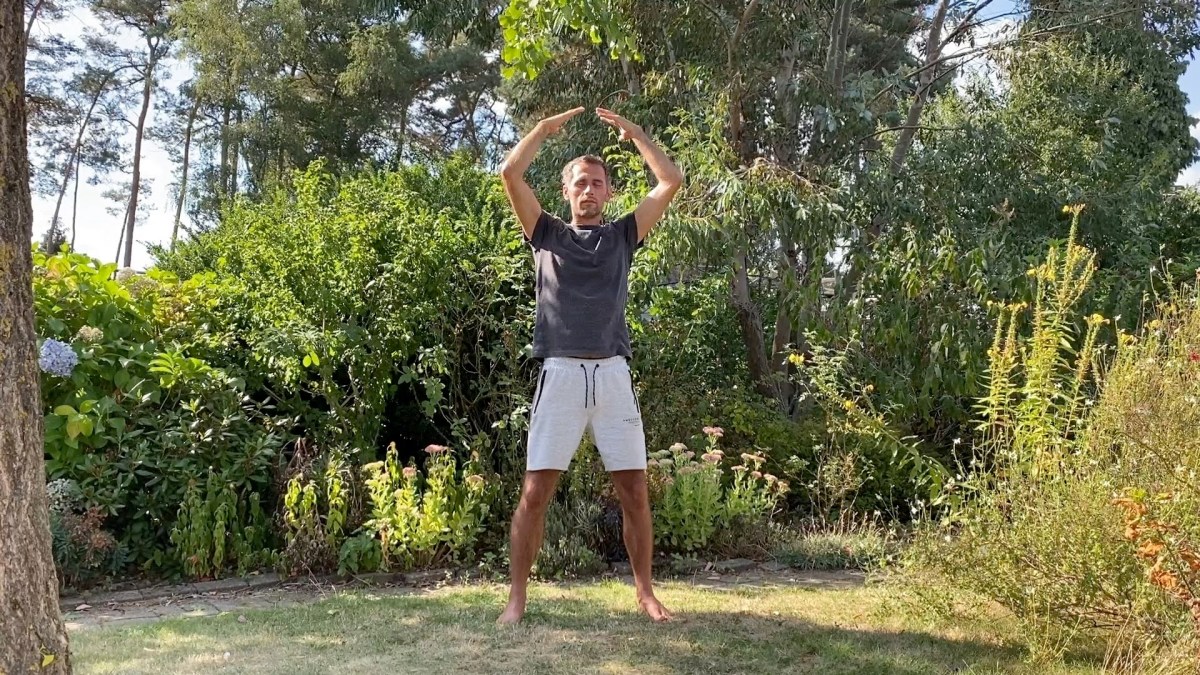
Wuji: Niet zomaar staan
Zonder stabiliteit kan men geen rust kennen. Onze huidige tijd loopt over van de onrust en onzekerheid en dus zijn meer mensen dan ooit op zoek naar vaste grond. In deze zoektocht raakt men vaak verder en verder verwijderd van zichzelf en dus ook van het lichaam. Men geraakt letterlijk buiten zichzelf en wordt afhankelijk van prikkels die van buitenaf komen. Op het pad van Terugkeer, Dao Fu, dat zijn inspiratie ontleent van Tao en de Yi Jing, is het belangrijk dat je terug naar binnen leert gaan. Ook daar is een hele wereld die leeft en die aandacht nodig…
Read more
Qi Gong: een inleiding
Heb je interesse in Qi Gong maar je begrijpt niet goed waarover het allemaal gaat? Heb je nood aan wat meer context en filosofische uitdieping om je weg te vinden? Dit is het artikel voor jou!
Read moreFour Ways into the Yi Jing: the Scientist (3)
This is the third post of our series concerning the Four ways in which one could use the Yi Jing. This approach is offered as an aid that could help you to expand your study of the Book of Changes. It can also help you to become more aware of how you are already using it. In the first post, we talked about the role of the Philosopher and the nature of Thinking: how the Yi Jing can help us to develop a more profound and holistic thinking that involves the larger Mind. Furthermore, we used hexagram 21 Nourishing to…
Read moreFour Ways into the Yi Jing: the Artist (2)
In this second post, we will take a look at some of the possibilities that the role of the Artist can bring when using and studying the Yi Jing. We already talked about the Philosopher where the faculty of “thinking” is obviously central and asked the question: “What is thinking?” What would be the activity of the Artist and how can we understand this in contrast with the Philosopher? Let us dive in! Some Keywords:spontaneity, chance, creativity, fearlessness, beauty, passion Associated Hexagram: 25 Innocence (The Unexpected) Beyond Control: Fearlessness The Yi Jing uses symbols and a highly suggestive poetic form…
Read moreFour Ways into the Yi Jing: The Philosopher (1)
Explore four different roles through which one can work with the Yi Jing.
Read more
Yi Jing: One possible introduction to the Book of Changes
A small and humble introduction to a remarkable book named “I Ching” or “Yi Jing” – The book of Changes. Over the course of thousands of years, it has been consulted and studied to cultivate wisdom and a pure heart.
Read more
De Yijing: een kleine introductie
In deze eerste post van House of Tao willen we een eerste introductie geven tot het oudste Chinese boek, de Yijing of het Boek der Veranderingen. Volgende vragen zullen beantwoord worden: van waar komt het boek, wie heeft ermee te maken gehad, wat staat er zoal in en wat kunnen wij ermee doen?
Read more Master Your Energy